If you've ever worked in the EMS (electrical muscle stimulation) fitness space, you know how big a bottleneck rendering project timelines can be. I've been in this industry for 7 years now, running a small-but-mighty EMS Studio supply business, and I've lost count of how many times a client has messaged me panicking: "Our brand new EMS Slimming Fitness campaign goes live in 2 weeks-how long will it take you to render the project?"
The truth is, there's no one-size-fits-all answer. But after fine-tuning our process and working with hundreds of studios, gyms, and individual trainers, I can break down exactly how long rendering takes, what factors shift that timeline, and how you can avoid the last-minute crunch that so many of us have dealt with.
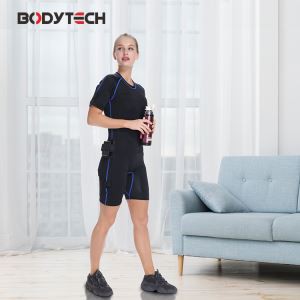
Let's start with the basics. What do I mean by "rendering a project" in the EMS Studio world? It's not just hitting a button and waiting. For our clients, that usually means creating 3D visuals of their equipment, demoing workouts with gear like Wireless Body Muscle Ems Slimming Suit, or even shooting short training videos to promote their services. Rendering is the step where all that design work gets turned into a polished, usable asset-whether it's a poster for a local gym or a social reel for a personal trainer using a Portable Wireless EMS Training Device For Personal Training.

Now, how long does this actually take? Let's get real-we're not talking about generic stuff. Every EMS project is different, so I'll break it down by the most common project types, plus the variables that make timelines stretch or shrink.
First up: Small, one-off projects for individual trainers. A trainer might want a few photos of themselves in an Ems Full Body Suit For Private Personal for Instagram, or a 30-second video clip of a shoulder workout. For these, we can usually turn it around in 2 to 3 days max. Why? There's no custom branding, no complicated setups, just straightforward shots of the gear in action. We don't have to tweak 10 different color palettes or sync up multiple angles-just grab a clean shot, render it, and send it over. That said, if the trainer needs a bunch of variations (different poses, different backgrounds), that might bump it to 4 days. Nothing crazy, though.
Next, mid-sized projects: Local boutique EMS studios. These guys usually need a few assets at once-maybe a website banner, a set of gym member testimonials with their gear, and a promo flyer for new clients. The render time here jumps a bit, to 5 to 7 days. Here's why: We have to incorporate the studio's branding (colors, logos, maybe even photos of their actual space), so each asset isn't a one-and-done. For example, when we render a gym photo with their High-Performance EMS Suit For Health Clubs, we have to make sure the lighting matches the studio's real vibe-if they have warm, yellow walls, we can't render cold, blue lighting that looks out of place. That extra step of matching brand identity adds a day or two.
Then there are the big ones: National EMS fitness brands or large gym chains. These projects are a whole different beast. Think full-length training videos (5 to 10 minutes), social media campaigns with 20+ assets, 3D product renderings for a whole line of gear, and even interactive elements for their website. For these, timelines range from 2 to 4 weeks. No, that's not a typo-wait times can stretch, but only because there's so much going on. A brand might want to test 8 different workout sequences, render each one with different suit settings, and get approval from their marketing team at every step. We're also dealing with 4K or even 8K renders here, which take way more processing power than a 1080p trainer photo. We don't cut corners on quality, so that high resolution takes time.
Now, let's talk about the variables that can throw all these timelines out the window. I've had a client come to me with a tiny project that should take 2 days, and it took 10 because they kept switching their background color every time we sent a draft. And I've had a huge brand project that wrapped in 10 days because they had all their assets ready on time and their approval process was quick. Here are the biggest factors:
-
Asset complexity: A single photo is fast. A video with 10 different camera angles, slow-motion clips, and text overlays? Way slower. If a client wants us to render a full workout from start to finish, that's going to take longer than a 2-second clip.
-
-
Approval speed: This is the #1 bottleneck, hands down. We can have the render done in 1 day, but if the client takes 3 days to send back their feedback, the total timeline extends. I always tell clients to set a single point person for approvals-multiple people weighing in with different opinions will add days, maybe even weeks.
-
-
Customizations: The more unique requests, the longer it takes. If a standard suit render is fine, that's quick. If a client wants a custom logo on the suit, a unique gym mat in the background, or a specific demographic of model (like a 50-year-old instead of a 25-year-old), that adds time. Even something small like adding a logo to a flyer has to be rendered into every version, which takes extra steps.
-
-
Urgency: Let's be real-sometimes things pop up. A gym has a last-minute pop-up sale, or a trainer's big social post is pushed up. We offer rush services for 20% extra, which cuts timelines in half for most small projects. But we can only do so much-if you need a 5-minute training video rendered in 24 hours, it's not possible. The processing power just can't keep up, and we don't want to sacrifice quality for speed.

I get it-when you're running a business, deadlines are everything. I've had to work late nights to get a project done on time, and I know how stressful it is when a render is late. But here's the thing: Rushing renders almost always leads to mistakes. I'd rather tell a client we need an extra day than send them a blurry photo or a video with weird lighting that makes their brand look bad. EMS fitness is all about trust-your clients need to see that your gear works, and a low-quality render won't sell anyone on your services.
Another thing I've learned over the years: Planning ahead saves everyone time. I always advise clients to lock in their project scope early. Before we start rendering, we send a detailed breakdown of what the project includes, how many assets there are, and a clear timeline. No vague "we want some EMS stuff" - specify if you need photos, videos, 3D models, how many of each, and when you need them. The more details you give up front, the less back-and-forth later.
Let's use real examples from our own clients to make this concrete. Last month, a personal trainer reached out needing photos of his private EMS sessions. He had his own Portable Wireless EMS Training Device For Personal Training, so we brought a small studio setup to his home, shot 15 different poses, and rendered the best 5 photos. Turnaround: 3 days, exactly as we quoted. Another client was a mid-sized gym in Chicago that wanted a promo video for their new memberships. They needed 8 different shots, including members working out in our High-Performance EMS Suit For Health Clubs, plus text overlays and a 10-second intro clip. Timeline: 6 days, which was spot on. We gave them a draft on day 5, they approved it in 12 hours, and we had the final video done on day 6.
And the big one: A national EMS brand we worked with last quarter. They wanted a 8-minute training series for their website, plus 12 social media clips, and 50 product renders of their new suit line. We quoted 3 weeks, and they hit every approval deadline. We even wrapped a day early, because we had all their assets ready on time and their feedback was clear. Compare that to another brand that came to us 1 week before their campaign launch, with a request for 20 assets and no clear scope. We had to say no-we couldn't do it justice, and we didn't want to give them subpar work.
So, putting it all together, here's a rough rule of thumb for EMS Studio rendering timelines:
- Small projects (1-5 simple assets): 2-4 days
- Mid-sized projects (5-15 branded assets): 5-7 days
- Large projects (15+ assets, videos, 3D work): 2-4 weeks
But again, this is just a guide. The actual time depends on how organized you are, how quick you are to approve drafts, and how simple your requests are.
If you're reading this and you're in the EMS fitness space-whether you're a solo trainer, a boutique studio, or a big brand-we can help with all your rendering needs. We've worked with every type of client, from people who just need 1 photo to gym chains that need full marketing campaigns. We offer custom renders for every piece of gear, from EMS Slimming Fitness packages to high-performance suits for clubs.
If you have a project in mind, no matter the size, reach out to us to chat through the details. We'll give you a clear timeline, no fine print, and we'll make sure your renders turn out exactly how you want them-without the last-minute stress.

References
- EMS Studio Equipment & Rendering Best Practices, Fitness Tech Industry Report 2023
- 3D Rendering Timelines for Fitness Equipment, Digital Design Network 2022
- EMS Fitness Marketing Asset Guide, Global EMS Fitness Association 2024
- Wireless EMS Training Device Usage and Visualization Standards, Personal Trainers Network 2023
- Health Club EMS Suit Rendering Case Studies, Gym Marketing Solutions 2022