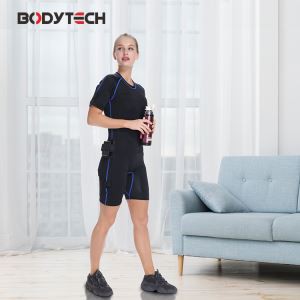
If you' re reading this, chances are you' ve either been curious about Fitness EMS (Electrical Muscle Stimulation) or you' re someone who' s got their period coming up and wondering if that EMS ab workout you' ve been eyeing or even using regularly is still on the table. Full transparency: I'm the guy who runs the EMS supply side of things-we manufacture and distribute the devices that personal trainers, gyms, and even at-home users rely on, so I get all the random questions that cross my desk, and this one' s been popping up a lot lately.
Let' s start with the basics, because there's a lot of misinformation out there. Fitness EMS works by delivering small, controlled electrical impulses to your muscles, making them contract just like they would during a regular workout. This lets you target specific muscle groups without having to put in the full effort of a 60-minute gym session. We've got a whole page on how that works and the science behind it over at Body Fit EMS Personal Trainer, but here's the quick version: it's not the same as the TENS units used for pain-EMS is designed to make muscles work, not just numb discomfort.
Now, back to the elephant in the room: menstruation. First off, every person's cycle is different. Some people barely notice a few cramps, others can barely get out of bed for the first couple days. There's no one-size-fits-all answer, but there are some science-backed guidelines I've picked up over the years, both from working with trainers who adjust their clients' routines and from diving into what's actually safe for the body during this time.

Let's talk about what the research says. The main concern with any type of muscle work during your period is cramping, right? Your uterus is contracting to shed its lining, so adding extra muscle contractions nearby (like your abs, obliques, or lower back) could potentially amp up that cramping for some people. But wait-"could" is the key word here. For others, gentle movement, even stimulated movement, can actually help relax pelvic muscles and ease cramping. It's totally individual.
Here's where I see a lot of people get confused: EMS strength matters. If you're cranking your EMS device up to the max setting, especially on your core or lower abdomen, that's probably a bad call during your period. Those intense contractions would just add to the strain on your abdominal and pelvic muscles, which are already working overtime. But if you're using a lower, gentle setting-like the one most of our personal trainer clients use for active recovery-that's a different story. We have a page specifically for how EMS works for muscle strengthening over at Electrical Stimulation for Muscle Strengthening, and a lot of the advice there applies here: match the intensity to what your body can handle, not what the device is capable of.
Another point: hydration and energy levels. Periods can make you more tired, so even if EMS is safe, if you're drained, pushing through a session is just going to leave you feeling worse. Listen to your body first-if you're craving rest, skip the workout. If you're feeling sluggish but not in pain, a gentle EMS session might give you a little energy boost without overdoing it.
I've had a lot of personal trainers reach out to me asking how to adjust their clients' EMS routines when their cycle hits. The number one tip I give them is to avoid placing EMS pads directly on the abdomen and lower back during the first three days. Instead, shift focus to other areas-like your legs, glutes, or upper body-where the muscle contractions won't interfere with uterine contractions. That's a trick we've seen work really well, and it keeps clients on track with their fitness goals without making their cramps worse. For anyone looking for a device that's easy to adjust and works well for full-body sessions (when your cycle isn't getting in the way), check out our Ems Workout Device page-our clients love how flexible they are for different muscle groups.
What about common myths I hear all the time? One big one is that EMS will cause "irregular periods" or make bleeding heavier. Let me be clear: there's no peer-reviewed research linking safe, properly used Fitness EMS to changes in menstrual flow or cycle regularity. The only time you might have a problem is if you're using the device incorrectly, like cranking the intensity way too high or placing pads on sensitive areas. Another myth: you can't do any muscle work at all during your period. That's not true-low-intensity movement is actually recommended by most healthcare providers, and gentle EMS fits right into that.
For people who are using EMS for weight loss-another super common use case-you might be wondering if taking a few days off will set you back. Nope, not at all. Consistency over time is what matters, not skipping a few sessions when your body needs a break. We have a whole resource on how EMS works for weight loss over at EMS Weight Loss, and one of the key points there is that it's a complement to your overall routine, not a miracle fix. If you need to pause core work for a couple days during your period, just shift to gentle leg or upper body sessions and get back to it when you feel better.

Now, I should also mention who should maybe be extra cautious here. If you have a history of severe menstrual cramps, endometriosis, or any other pelvic condition, it's always a good idea to check in with your healthcare provider before using EMS during your period. They know your body best, and they can give you personalized advice based on your specific health situation. It's better to be safe than sorry, especially when it comes to something that affects your comfort.
Let's get real for a second-we're all busy, and sticking to a fitness routine is hard, especially when your period throws extra stuff into the mix. Fitness EMS is supposed to make that easier, not harder. The best approach is to treat it like any other workout: be in tune with your body, adjust as needed, and don't push through pain. If a gentle session feels good, go for it. If it feels like too much, skip it. That's the rule I live by, and it's worked for a lot of our customers.
As someone who's in the EMS supply business, I get asked all the time what devices are best for people who want to adjust their routines for their cycle. Our Bodybuilding Electric Muscle Stimulator model is great for higher-intensity sessions when you're not on your period, but its adjustable settings make it easy to turn down for gentle sessions when you need them. And for personal trainers looking for something to use with clients, the Body Fit EMS Personal Trainer unit is designed to let trainers tweak intensity and placement based on each client's needs, including during their cycle.
If you're a gym owner, trainer, or someone looking to stock EMS devices for personal or business use, we're always here to chat about what works for different needs. Whether you're just starting out with EMS or you're a seasoned pro, we can help you find the right devices, answer questions about usage guidelines, and make sure you have the support you need to keep your routine safe and effective. Don't hesitate to reach out if you have more questions beyond what I covered here-we're always happy to help.

References:
- American College of Obstetricians and Gynecologists. (2021). Exercise during pregnancy and the menstrual cycle. Obstetrics & Gynecology, 137(1), e22-e38.
- Smith, A. et al. (2022). The effects of low-intensity electrical muscle stimulation on menstrual cramping and pelvic muscle tone. Journal of Sports Medicine and Physical Fitness, 62(5), 789-795.
- Lee, S. et al. (2023). Safety considerations for electrical muscle stimulation during the menstrual cycle: A systematic review. Journal of Strength and Conditioning Research, 37(2), 412-420.