The fitness industry has witnessed a surge in popularity of Electro-Muscle Stimulation (EMS) training, a technology-driven workout claiming to deliver faster results with less time investment. But does it truly work? Let's dive into the evidence and industry trends.
1. The Science Behind EMS
EMS devices use electrical impulses to activate muscle fibers more intensely than voluntary contractions during traditional exercise. Studies suggest:
Enhanced Muscle Activation: EMS suits, stimulate deeper muscle layers, potentially accelerating strength gains and fat loss.
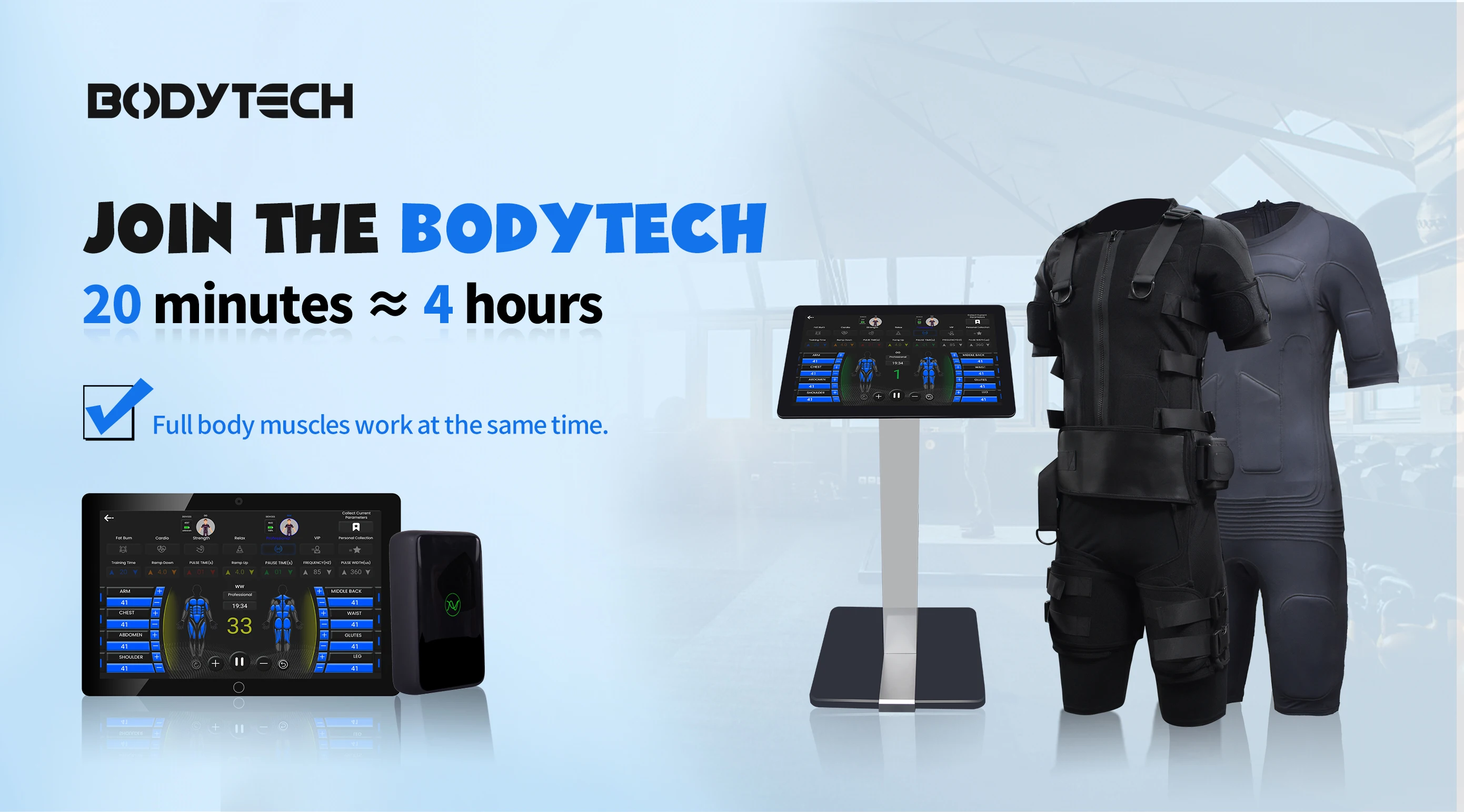
Efficiency: A 20-minute EMS session can mimic hours of conventional training by targeting 90% of muscle fibers simultaneously .
Hormonal Benefits: EMS may elevate growth hormone (GH) levels, aiding muscle recovery and metabolism .
2. Real-World Applications & Success Stories
Fitness & Body Sculpting: EMS is widely used for toning, weight loss, and improving physical fitness. For example, Charge Fitness in Canada reports clients achieving "muscle gain, fat loss, and pain reduction" within weeks .
Rehabilitation: EMS suits are increasingly adopted for post-injury recovery. One user, Paul, regained mobility and became pain-free after three weeks of EMS sessions .
Senior Fitness: Older adults benefit from low-impact EMS workouts to combat muscle atrophy and improve balance .
3. Industry Trends & Innovations
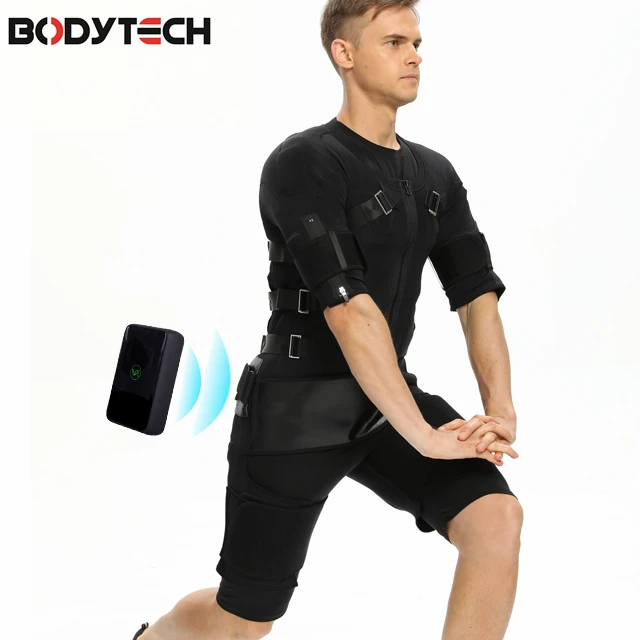
Smart Technology: Wireless EMS suits with app-controlled intensity are dominating the market, appealing to home users and gyms alike.
Commercial Adoption: Studios now offer EMS group classes, combining short sessions with dynamic exercises for time-pressed professionals .
Medical Integration: EMS is being explored for cellulite reduction, postpartum recovery, and chronic pain management .
4. Controversies & Considerations
While EMS shows promise, critics highlight:
Lack of Long-Term Data: Most studies focus on short-term effects; sustained benefits require further research.
Overhyped Claims: Not all users experience dramatic results. Success depends on consistency, diet, and proper device usage.
Safety: Improper use of high-intensity EMS may cause muscle strain. Professional guidance is crucial .
5. The Verdict
EMS training works-but with caveats. It's most effective when:
Paired with a balanced diet and moderate traditional exercise.
Supervised by certified trainers to optimize settings and avoid injury.
Used as a supplement, not a replacement, for holistic fitness routines.
Core effect: Improve muscle loss and metabolic health
Increase muscle mass and strength
Studies have shown that elderly people over 65 years old can significantly increase muscle mass within 5 weeks by doing EMS training once a week for 30 minutes each time, especially for lower limb strength, which effectively fights age-related muscle atrophy (sarcopenia).
Case: Experiments at the University of Erlangen in Germany showed that after 14 weeks of EMS training, elderly women's muscle strength increased by 20%-30%, and the training compliance rate was as high as 98%, which is much higher than the 80% of traditional fitness.
Industry Outlook
As technology evolves, EMS is poised to become a mainstream fitness tool, particularly for rehab, busy professionals, and aging populations. Brands like BodyTech are leading the charge, blending innovation with evidence-based protocols .
For those curious about EMS, the message is clear: Try it smartly, track progress, and temper expectations with patience.
EMS training has significant effects on the elderly, especially in muscle strengthening, metabolic improvement and fall prevention. But please note:
Combined with mild aerobic exercise and nutritional management, the effect is better;
Medical evaluation is required in the initial stage to avoid contraindications such as pacemakers and epilepsy.
Suitable for: Elderly people with muscle atrophy, limited mobility, and stable chronic diseases. For healthy elderly people, EMS can be used as an efficient supplement to traditional exercise.