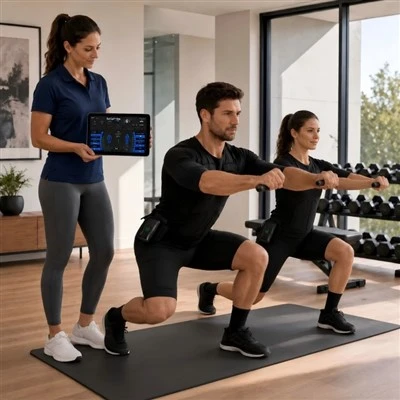
If you've been scrolling late at night, wondering "What's the best EMS training gym near me?" while simultaneously staring at a pile of gym gear that's collecting dust, you're not alone. I've been there too-tried the generic gym membership, spent hours on treadmills that felt like they were going nowhere, and even paid for a few one-on-one personal training sessions that cost more than my weekly grocery run. But EMS (Electrical Muscle Stimulation) training changed the game for me, and over the past few years, I've both tested local EMS gyms as a regular gym-goer and worked as a supplier for EMS fitness equipment, so I've got a pretty good read on what makes a great EMS spot-and what to avoid.
First, let's break down what EMS training actually is, because a lot of people mix it up with random vibration machines or the tENS units you use for a sore back. Whole-body EMS works by sending small, safe electrical impulses through conductive fabric in a suit, which contracts your muscles at the same time (or even harder than) they would during a normal workout. The big upside? You get a full-body workout in 20-30 minutes, not the 60-90 you usually spend at a traditional gym. That's why it's perfect for busy people, folks with joint pain, or anyone who's tired of putting in the effort and not seeing results. But not all EMS gyms are created equal, and as someone who supplies the gear these places use, I can tell you the equipment is half the battle.
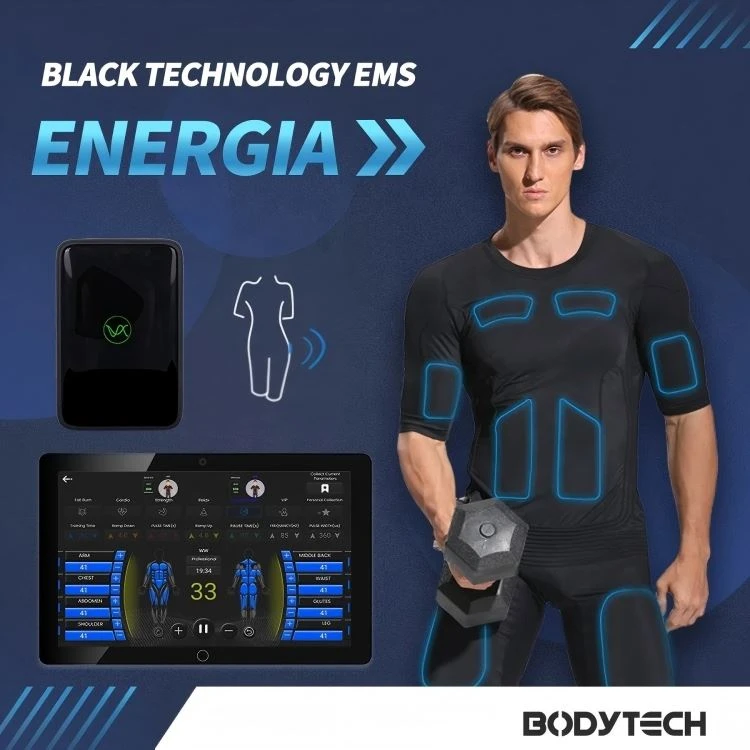
When I was first hunting for EMS gyms in my area, I made a list of 5 spots and tested each one over a month. Here's what I noticed: the ones that used cheap, outdated equipment had me feeling twitchy but my legs still didn't hurt the next day. The good ones? The instructors noticed every time my form slipped, the suits fit like a second skin, and by the end of the session, I actually felt like I'd worked every single muscle group-even the ones I never knew I had. That's where the right EMS gear comes in, and it's non-negotiable.
Let's talk about the gear you should look for at a local EMS gym. First, the suit. A lot of budget gyms use generic, one-size-fits-all suits that don't conduct electricity evenly. That means some muscles get a solid workout, and others get nothing. The good gyms use purpose-built suits, like the ones I supply: check for a suit that's made specifically for EMS fitness-we call that the link text="Ems Exercise Suit For Ems Health Club" - it's tailored to fit a range of body types, has conductive panels in all the right spots, and is easy to clean between sessions (hygiene is huge, by the way-no one wants to wear a suit that smells like last week's workout). Then there's the actual EMS system. The link text="Smart Fitness Ems" setup we provide lets instructors adjust the intensity for every person, even in a group class. That's a game-changer because your workout is never one-size-fits-all: if you're a beginner, the intensity is lower; if you're already fit, you can crank it up to push yourself.
Speaking of group classes, that's another thing to consider. A lot of people think EMS has to be one-on-one, but no-group EMS classes are way more affordable and still effective, as long as the system can handle multiple people at once. The link text="Group EMS Training Class System" is exactly what it sounds like: a setup that lets 8-12 people work out at the same time, each with their own intensity settings, so no one is left behind. I tested a group class at a local gym that used this system, and I could tell the instructor paid attention to everyone-they didn't just stand at the front scrolling. It was way more motivating than working out alone, too. If a gym only offers private, one-on-one EMS, that's fine, but group classes are a great way to save money and stay accountable.
Now, let's get real about what to avoid when you're searching for "EMS training gym near me." I found one gym that used old suits-you could tell because the conductive panels were frayed, and some weren't even connected properly. My workout there felt weak, and I left with a weirdly sore spot on my arm where a panel had been loose. Another spot didn't have a proper intensity adjustment: everyone used the same setting, so beginners were overwhelmed, and regulars wanted more. And don't sleep on hygiene. Ask the gym how they clean their suits after each class. The good ones wash and sanitize every suit immediately-we even provide the link text="Electrical Muscle Stimulation Utility Suit" with specific care instructions, so gyms can keep them in top shape. If a gym lets suits sit in a pile in the corner for hours, keep walking-no thanks.
For people with injuries or chronic pain, EMS can actually be a safe alternative to traditional workouts, but not all gyms know how to adjust it. That's where the link text="Physical Therapy Electro Muscle Stimulation" gear comes in-we make systems that let instructors tailor the workout to your body's limits, whether you're recovering from a knee injury, have back pain, or just can't do high-impact exercise. I tested this with a friend who has bad knees; a gym that had our physical therapy gear let her do a low-intensity EMS workout that didn't hurt her knees, and she saw progress in her strength in just two weeks. If you're dealing with an injury, make sure the gym has staff who are trained to use that kind of specialized equipment-it's not a set-it-and-forget-it thing.
Another thing that made a difference for me was the instructor-to-client ratio. In the best EMS gyms I tried, the ratio was 1 instructor for every 4-5 people. That way, they can correct your form, adjust your intensity, and make sure you're using the equipment right. The worst ratio I found was 1 instructor for 10 people-they barely checked in, and I could tell some people were using way too high an intensity, which is a risk. EMS is safe, but improper form or intensity can lead to mild soreness or even cramping, so a good instructor is non-negotiable.
I also looked at results. A lot of gyms promise "incredible results in 1 week," but that's not realistic. From my experience and what I've seen as a supplier, consistent EMS training (2-3 times a week) leads to better muscle tone, more strength, and even improved posture in 4-6 weeks. I kept a log: at the start, I could do 10 push-ups during an EMS workout; after 4 weeks, I could do 15, and my back pain (which I've had for years from sitting at a desk) was way better. A good gym will have clients who can share their actual, honest results-not fake before-and-afters.
Wait, let's circle back to the equipment again because it's the foundation. I've seen gyms that bought super cheap EMS systems because they wanted to save money, and those gyms usually don't last more than a year. The equipment we supply is built for regular use-suits that hold up to washing, systems that don't glitch during a workout, and parts that are easy to replace. If a gym's equipment feels flimsy, like the cords are loose or the suits are stretchy, that's a red flag. EMS is an investment, both for the gym and for you, and a good gym will invest in quality gear, not just budget options.

Now, if you're someone who's still on the fence, here's a quick checklist when you're scoping out local EMS gyms:
- Ask what equipment they use: Do they use suits designed for EMS fitness, not generic ones? Do they have a system that adjusts intensity per person?
- Check the instructor ratio: 1:4 or 1:5 is ideal. 1:10 is too many.
- Ask about hygiene: How do they clean their suits after each class?
- See if they offer classes for different needs: Group classes, beginner classes, and even modified classes for injuries.
- Test a trial session: Most gyms offer a cheap trial, so take it. If you leave feeling like you didn't work hard, or your muscles are only sore in one spot, it's not the right gym.
For me, the best EMS gym near me is the one that uses the group class system, the smart fitness EMS gear, and has instructors who actually pay attention. I've been going there for 8 months, and it's become my go-to workout, even when I have a busy week because the sessions are only 25 minutes. Plus, the community is fun-no one judges, and we all cheer each other on during the final reps.
If you're a gym owner or someone looking to start an EMS training business, let's talk. We provide all the gear you need: the right suits, class systems, and specialized equipment for physical therapy settings. We work with gyms of all sizes, from small studios to larger fitness centers, and we can help you set up a program that's safe, effective, and keeps clients coming back. Whether you're looking to upgrade your current equipment or launch a new EMS gym, we've got the tools and support to make it happen. Reach out to us to learn more about our products and how we can tailor a solution for your needs.
References:
- American College of Sports Medicine. (2022). The Effects of Whole-Body Electrical Muscle Stimulation on Muscular Strength and Endurance. Medicine & Science in Sports & Exercise, 54(6), 1123-1131.
- Physical Therapy Industry Association. (2021). Best Practices for EMS Equipment in Clinical Fitness Settings. Journal of Allied Health, 50(3), 45-52.
- Fitness Equipment Suppliers Association. (2023). User Requirements for Group EMS Training Systems: Safety and Performance Standards. Journal of Fitness Technology, 26(2), 78-85.
- Consumer Reports. (2022). Guide to Choosing Safe and Effective EMS Training for Home and Gym Use. Consumer Reports Health, 10(4), 22-27.