

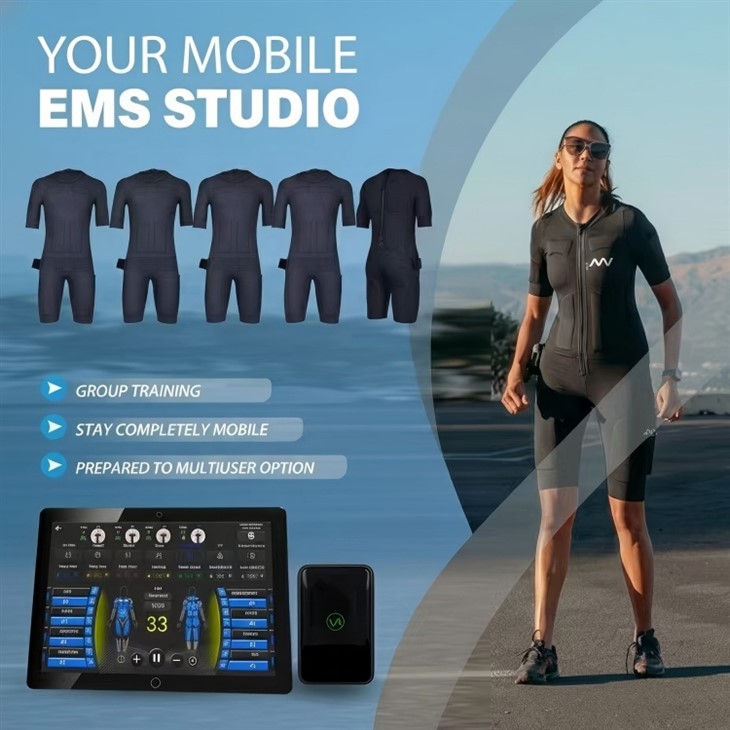


Hidden Risks of EMS Equipment After 2–3 Years of High-Frequency Studio Use
EMS Training, EMS workout, EMS session, EMS fitness......

What happens to frequently used EMS equipment?
When an EMS studio has been running for a few years, the equipment often enters a new stage of usage.
During the first year, everything usually works smoothly.
However, after 2–3 years of daily sessions, certain hidden risks may begin to appear.
These risks are not always obvious at the beginning, but they can affect training quality, client experience, and studio operations if not addressed early.
Introducing EMS training doesn't mean overturning the existing model, but rather adding a high-margin group training module to the existing space.
1️⃣Signal Instability in Muscle Stimulation
One of the most common long-term issues is pulse signal inconsistency.
After extended usage:
▶Electrical output may become less stable
▶Muscle stimulation intensity may fluctuate
▶Trainers may need to constantly adjust settings
For clients, this can feel like:
▶Uneven stimulation between muscle groups
▶Reduced training effectiveness
▶Less comfortable sessions
This issue usually originates from aging electronic components or unstable circuit design.


2️⃣Electrode Wear and Contact Efficiency Loss
EMS systems rely on consistent electrode contact.
▶After hundreds or thousands of training sessions:
▶Electrodes may gradually lose conductivity
▶Suit pressure points may weaken
▶Connection points may degrade
Common signs include:
▶Trainers increasing intensity to compensate
▶Clients reporting weaker muscle contraction
▶More time spent adjusting suits before sessions
For high-frequency studios, electrode durability becomes an important factor in maintaining service quality.
3️⃣ Connector and Cable Fatigue
Studios with daily sessions often disconnect and reconnect cables repeatedly.
Over time this can lead to:
▶Loose connections
▶Intermittent signal interruptions
▶Occasional channel dropouts
These issues can interrupt training sessions and reduce trainer confidence in the system.
Commercial EMS environments require industrial-grade connectors designed for frequent use.


4️⃣Cooling and Internal Component Stress
High-frequency use means the device operates for many hours each day.
▶Without proper thermal management:
▶Internal components may experience heat stress
▶Performance stability may decrease
▶Long-term reliability may be affected
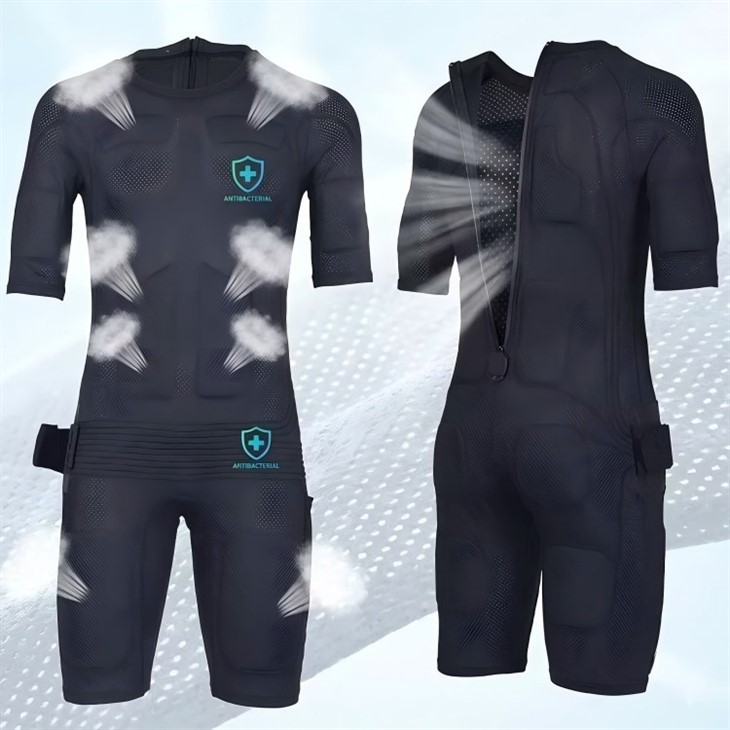
Well-designed commercial EMS systems include cooling structures and stable power management to prevent such issues.
After 2–3 years, many studios begin to consider expansion.
However, problems can occur if:
▶New equipment batches behave differently
▶Older accessories are incompatible
▶Software versions change unexpectedly
This can create inconsistencies between studios and complicate trainer operations.


Why Equipment Design Matters for Long-Term Studios
High-frequency EMS studios require systems built specifically for commercial durability, not just initial performance.
Professional EMS manufacturers such as BODYTECH focus on long-term stability in areas like:
✅️Stable pulse output technology
✅️Durable electrode materials
✅️Reinforced connection structures
✅️Commercial-grade internal components
These design considerations help studios maintain consistent training quality even after years of use.
1:5 EMS basic configuration
Low-cost, low-risk, high-return portfolio


Leading EMS Equipment Manufacturer
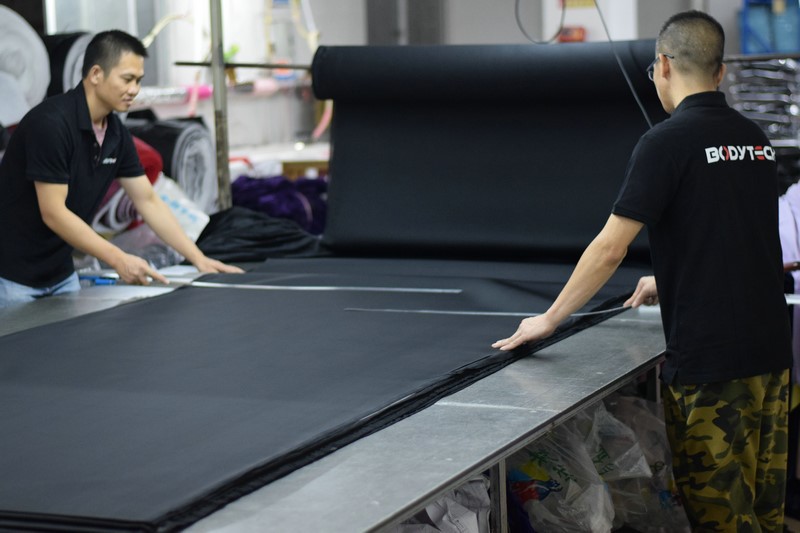

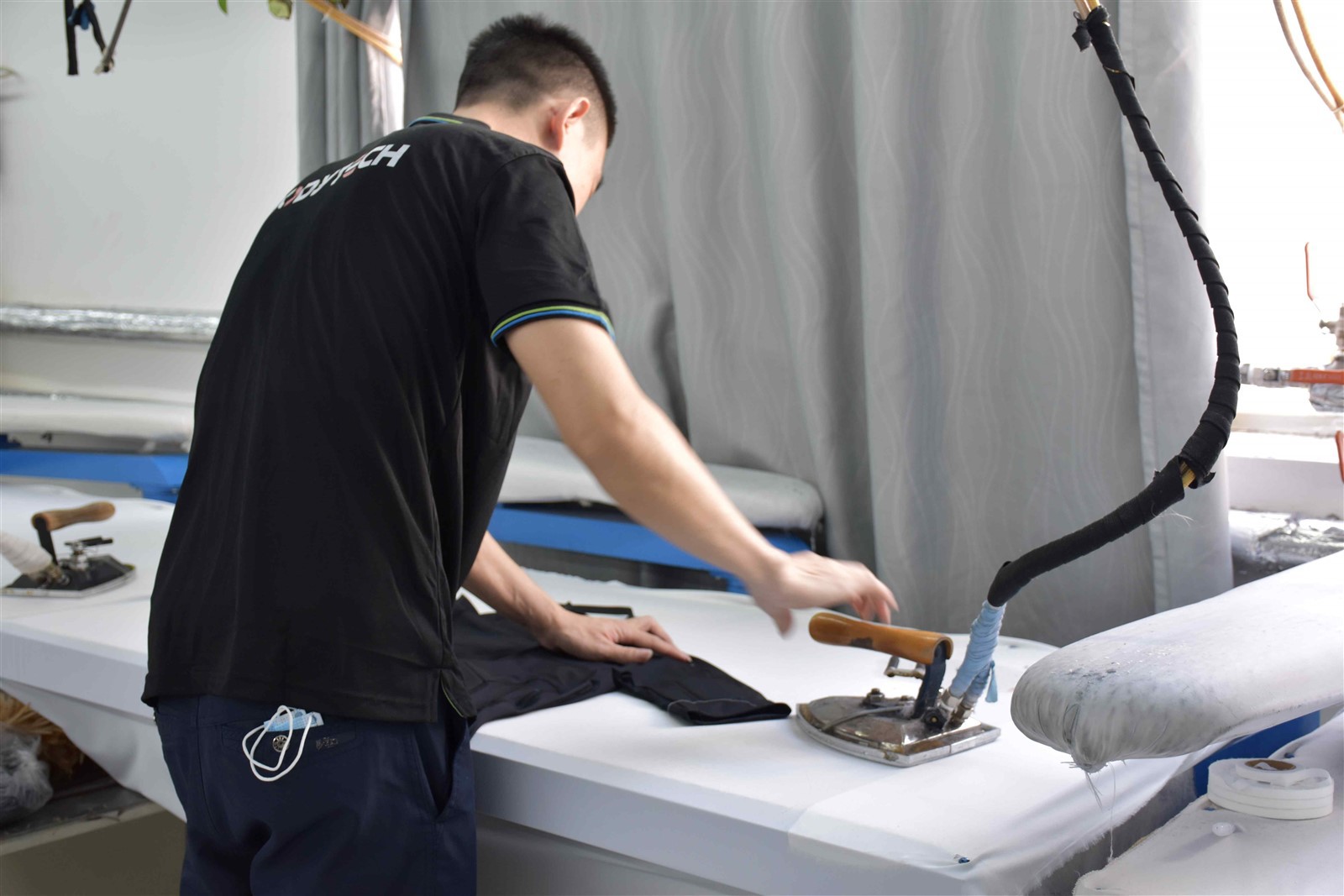
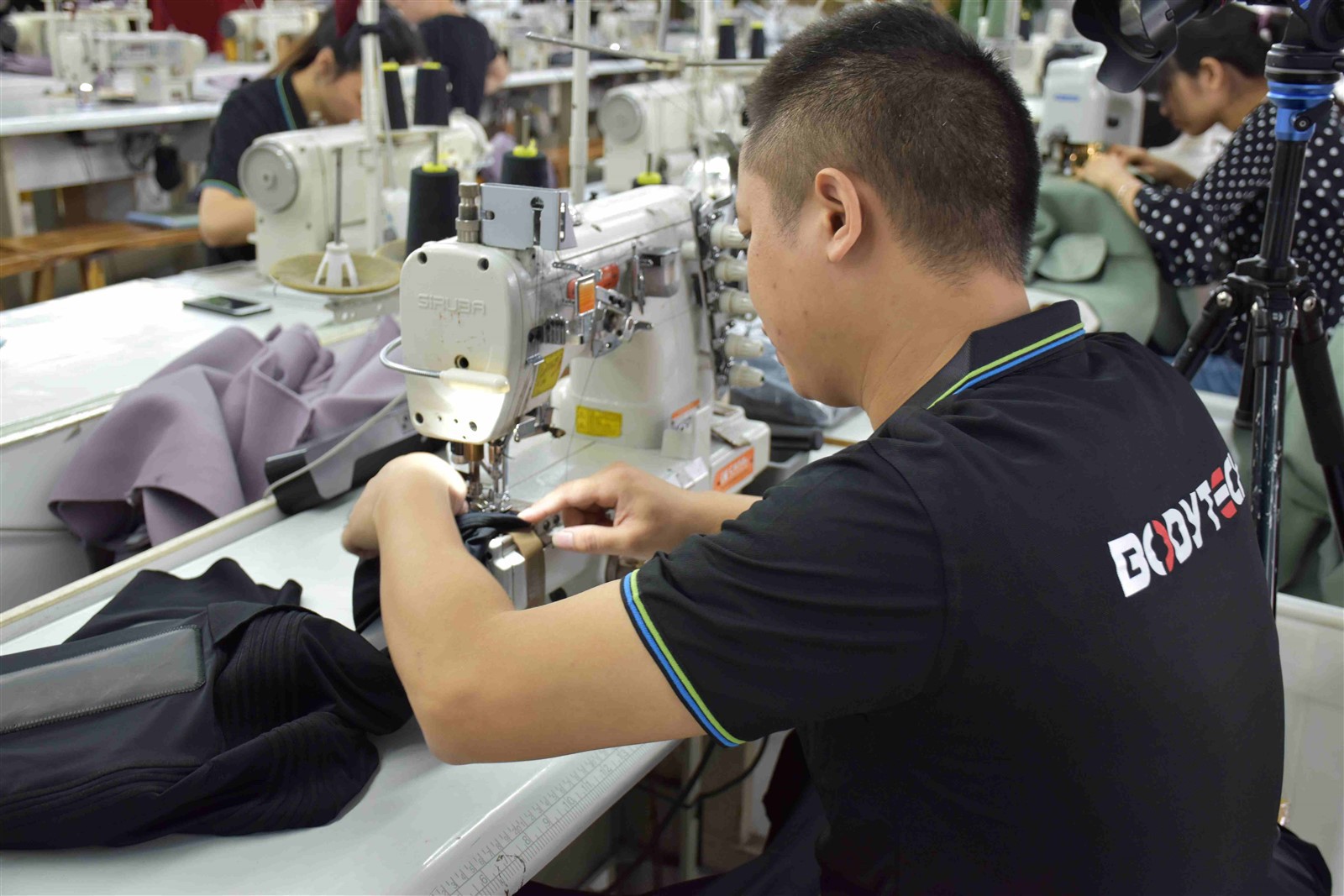
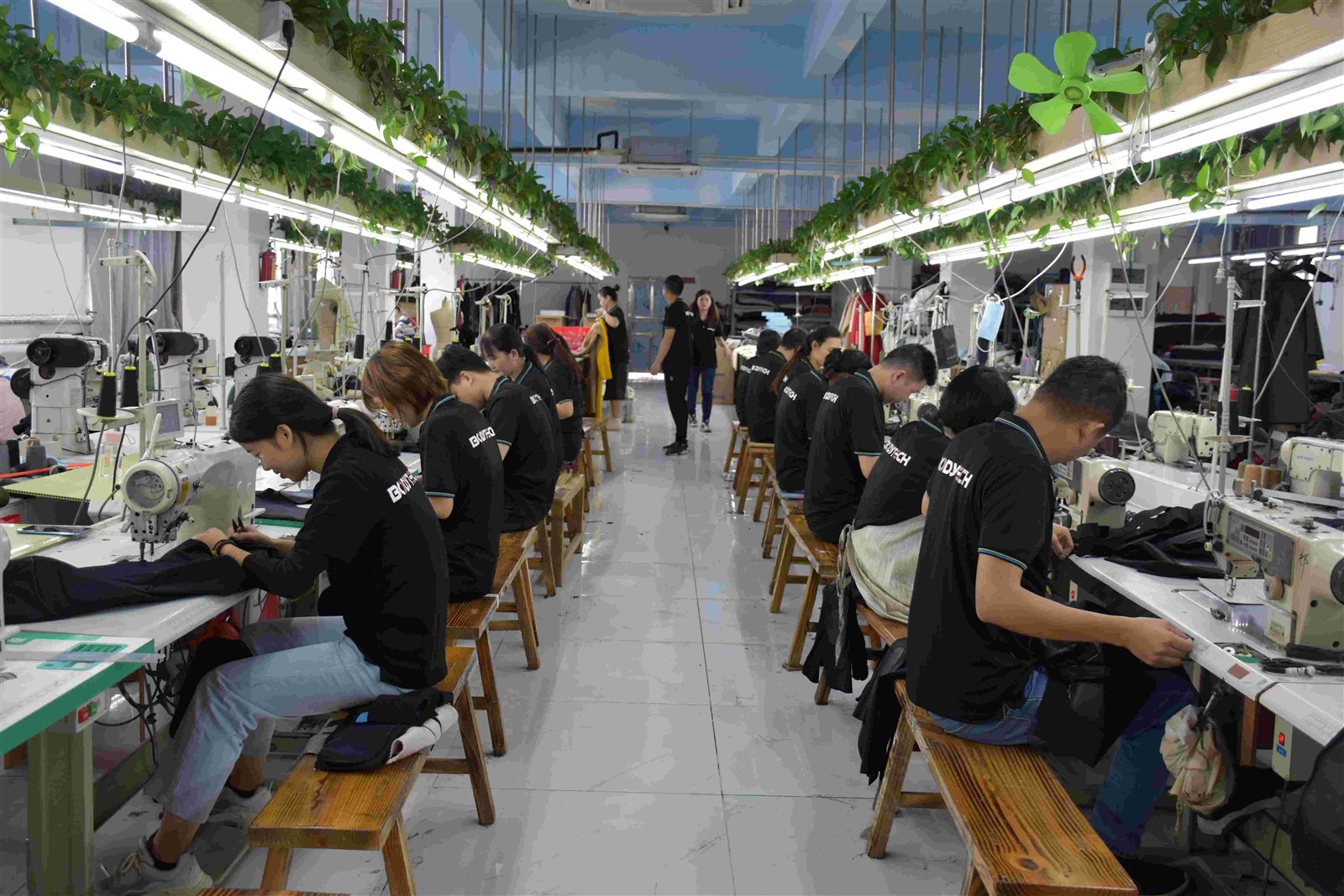


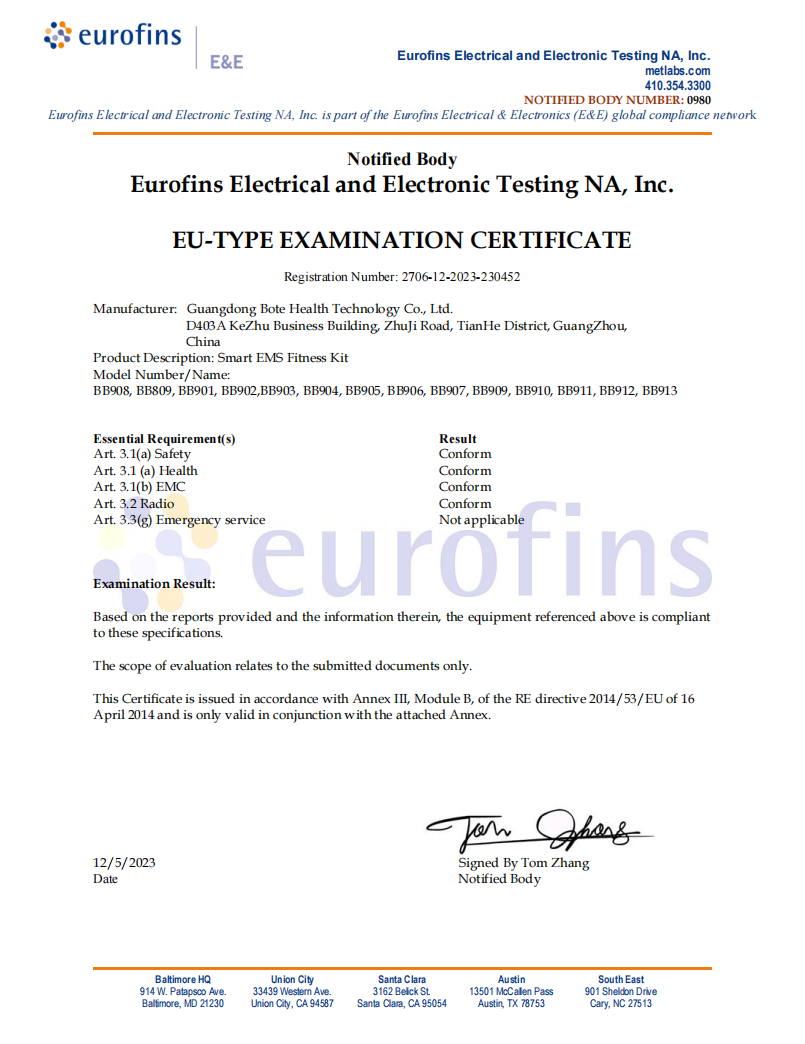
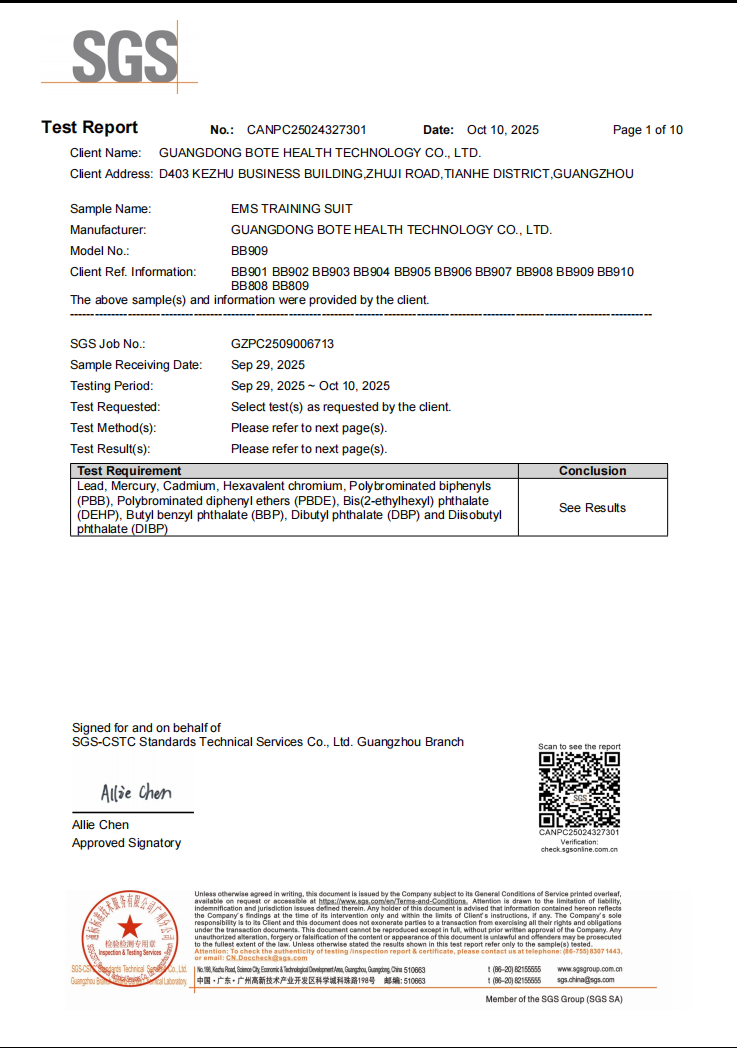
Bodytech Team & Certification



Hot Tags: full body ems training for studio, suppliers, manufacturers, customized, buy, price, quotation


